Lickable Cat Treats: Why Tube Snacks Have Become a Cat Household Obsession
Author:sana
Released:February 23, 2026
Cat owners learn this quickly: if you want a picky cat to show interest, a creamy tube often works faster than most treats. These lickable snacks are popular because they combine smell, texture, moisture, and hands-on feeding in one small package. They are not a replacement for complete cat food, but they can be useful for hydration, training, appetite support, and everyday bonding.
Why Cats Love Lickable Treats
Cats are naturally drawn to licking. It is a familiar behavior linked to grooming, comfort, and social contact, so a smooth puree feels easy and rewarding instead of forcing them to chew. That is one reason these treats often work well for kittens, seniors, or cats with dental discomfort.
A second reason is scent. Most lickable treats are moist and strongly aromatic, so the smell reaches a cat fast and feels more like food than a dry snack. Many formulas use tuna, chicken, salmon, or liver, which tends to trigger interest even in cats that ignore biscuits.
More Than A Snack
Lickable treats can do a bit more than just grab a cat’s attention. Because they are moist, they can add a small amount of extra water to your cat’s day, which helps cats that don’t drink much on their own. They can also help when a cat is under the weather, feeling stressed, or just not interested in finishing a meal.
When it is time to give medication, they can be especially handy. A squeeze tube can hide the smell of a pill, make handling feel less stressful, or turn feeding into a more positive experience. In everyday use, that often turns something tense into a much smoother routine.
How Much To Give (and How Often)
Lickable treats are easy to treat like “harmless” extras, but they still add calories to your cat’s day. For most cats, keeping treats around 10% of their total daily intake is a safe way to avoid tipping the balance. Even a small tube can add up quickly if you use it several times a day, so it helps to keep each serving modest and check the calorie count on the package before turning it into a daily habit.
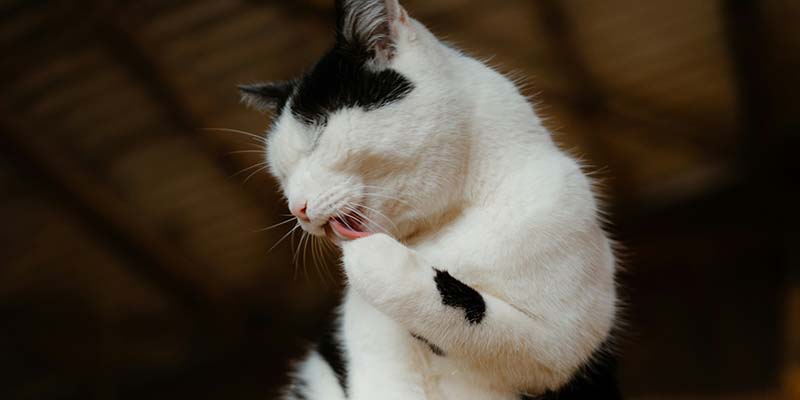
It helps to think of them as tools instead of free snacks. A lick after grooming, a squeeze before nail trimming, a tiny bit during short training sessions, or a thin layer over a meal your cat is ignoring all fit well into a routine.
When you use them like this, they stay useful and rewarding without slowly replacing the food that actually balances your cat’s diet.
What Lickable Treat Types Are Out There
Not all lickable cat treats feel the same. Some are thick tube purées, while others are broth-style cups, smooth toppers, or soupier blends with tiny meat pieces. Texture matters because some cats like a dense paste they can lick slowly, while others prefer something thinner and lighter.
Common types include:
- Tube purées, the classic squeeze-and-lick format.
- Broth cups, which are lighter and work well as toppers.
- Pureed toppers, which you can pour over dry or wet food.
- Functional formulas, which add ingredients for calming, skin and coat support, or urinary support.
Functional Ingredients
Many newer lickable treats aim to do more than just taste good. Some include taurine, an essential amino acid that supports normal heart, eye, nerve, and digestive function in cats. Because cats cannot make enough taurine on their own, formulas that add it can help fill small gaps in a treat-heavy routine.
Extra Nutrients for Skin, Coat, and Energy
Some brands also enrich their purées with vitamins, omega-rich ingredients like fish oil, or extra protein to support skin, coat, and energy levels. These can make the treat feel a bit more substantial and useful, especially if your cat already gets a lot of soft snacks.
Calming Blends for Stressful Moments
These often contain ingredients such as L-theanine or L-tryptophan, which are used in cat formulas aimed at travel, grooming, or vet visits. They can help your cat feel a bit more relaxed during short, predictable situations, but they are not a substitute for proper veterinary care if your cat is truly anxious, fearful, or unwell. For ongoing stress or behavior issues, it is still important to talk with your vet and look at the whole picture of environment, routine, and health.
Popular Brands And Styles
Here are some well-known brands that keep coming up in conversations and reviews.
Inaba Churu: one of the best-known tube treat brands. It is popular for its creamy texture, high moisture, and wide range of flavors, which makes it easy to test what your cat prefers.
Hartz Delectables: often chosen for its budget-friendly squeeze tubes and easy everyday use. It is a common pick if you want something simple and familiar without overcomplicating treat time.
Temptations Creamy Puree: offers a lot of flavor variety. It works well for households that want a widely available, easy-to-find option with a softer texture than standard crunchy treats.
Catit Creamy: often associated with a more protein-forward profile. It is a good option if you want a treat that feels a little more meat-focused and less like a generic snack.
Tiki Cat Stix: usually chosen by owners who want a high-protein, grain-free style of lickable treat. The texture is smooth enough for hand-feeding, but still feels substantial.
Caru Daily Dish Smoothies: designed as a creamy topper-style snack. They are useful if you want something you can spoon or pour over regular food.
Vitakraft Lick ’n’ Lap: another familiar squeeze-tube option. It is often used as a quick reward or a convenient cat-friendly distraction during handling.
Nulo Freestyle Perfect Purees: a good fit if you are looking for a purée with a more modern, protein-focused positioning. They are often used as a light reward rather than a full snack.
Friskies Lil’ Soups: lean more toward a soup-style treat than a thick puree. They can work well for cats that like a thinner texture or for adding extra moisture to mealtime.

How To Choose a Lickable Treat for Your Cat
- Read the ingredients and watch the calories
A named protein like "chicken," "tuna," or "liver" near the top is usually a better sign than a formula built around vague fillers, especially if your cat has a sensitive stomach.
Also, check the calorie count per tube or pouch—many lickable treats are more calorie-dense than they look, so it’s easy to overfeed if you use them too often.
- Match the texture to how you feed it
Texture really shapes how you use the treat. Thick purées are easier to feed straight from the tube, one lick at a time, which works well for training or bonding.
Thinner treats, like broth-style formulas, are better poured over dry food or wet food as a topper to add moisture and interest. If your cat eats slowly, a thicker paste gives more control; if your cat likes to gulp, a lighter, soupier texture may feel more natural.
- Follow your cat’s flavor, not just the label
Flavor is simple, but powerful. Many cats go straight for strong fish-based options like tuna or salmon, while others prefer milder proteins such as chicken or turkey, especially if they are sensitive to heavy seafood smells.
If your cat is picky, try small packs in different flavors instead of a big box. You can also pay attention to how messy or pungent the treat is; some formulas are cleaner and less smelly, which can make daily use easier for you, too.
When They Help Most (and How To Use Them Wisely)
Lickable treats really come into their own in a few specific situations. They are especially useful for kittens, seniors, and cats with dental issues because they require almost no chewing. They can also help during stressful times, such as moving, boarding, bringing home a new pet, or recovering from a vet visit. In those moments, the treat becomes both something to eat and a small signal that things can still feel safe and familiar.
In multi-cat homes, they can also make life easier. If you give each cat a small lick by hand, you reduce competition at the bowl and turn treat time into a one-on-one moment. For cats that guard food or get overstimulated when everyone eats together, that can make the whole routine calmer and more predictable.
How To Use Them Without Overdoing It
A good lickable treat should do at least one of three things well: be something your cat clearly wants to eat, add a bit of moisture to their day, or make feeding and handling easier. If it does all three, it has earned a regular spot in your rotation; if it also includes taurine or a calming blend, that is a nice extra, not the main reason to stock it.
The simplest way to use them is to keep a few formats on hand. One cat may go straight for tuna tubes, another may only accept chicken, and a third may prefer a runny broth cup over a thick purée. Trying a few styles is usually smarter than committing to a big box that ends up sitting untouched after two licks.
Lickable cat treats are popular because they match a cat’s instincts and a person’s habits. They are soft, fragrant, interactive, and easy to portion, making them useful for hydration, bonding, appetite support, and light training moments. Think of them as a small, intentional add-on to your cat’s regular food, not something that replaces proper meals.
Related Posts
Cat Body Language Guide: Read Your Cat Like A Pro
The Best Automatic Litter Boxes for Multi-Cat Households in 2026
How to Trim Your Cat’s Nails at Home Without the Drama

Canine Agility Training: A Complete Guide for Beginners

Best Practices for Introducing Puppies to Public Spaces